

Hong Kong
hosted by AVA HKBU x V54
This program welcomes an invited artist to Hong Kong, encouraging engagement with the city’s dense urban fabric and its layered visual, material, and social conditions. The residency offers a space to observe, to respond, and to develop new work through situated research and artistic experimentation.
During the residency period, the artist will live and work in Hong Kong, entering into dialogue with the local context through site visits, conversations, and studio practice. The program culminates in a public presentation as part of the Art Basel Hong Kong parallel exhibition, showcasing works developed throughout the residency.
Residency year 2026
City walk
Art Basel Hong Kong Parallel Exhibition 2026
Exchange Circle Panel Talk
Visit the museums and art spaces
Period
Fukuchiyama city, Kyoto, 620-0000, Japan
Residency location
March 2026
Content of the Residency
Travel distance with public transportation:
1.5 hours to the AVA
30 mins to HKCEC
Architecture
V54
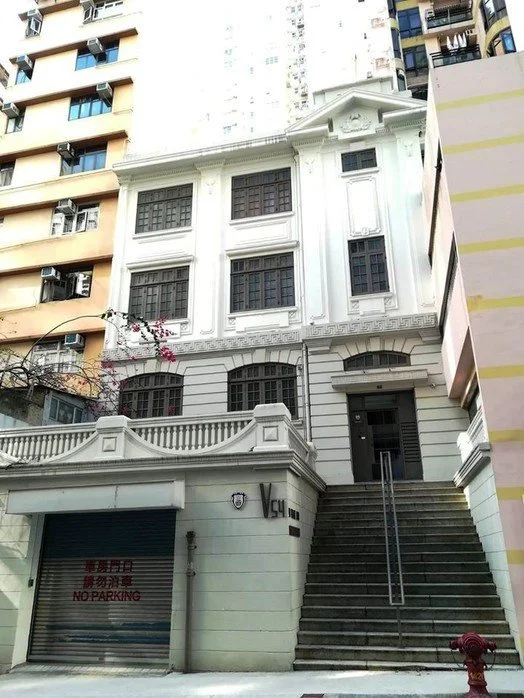
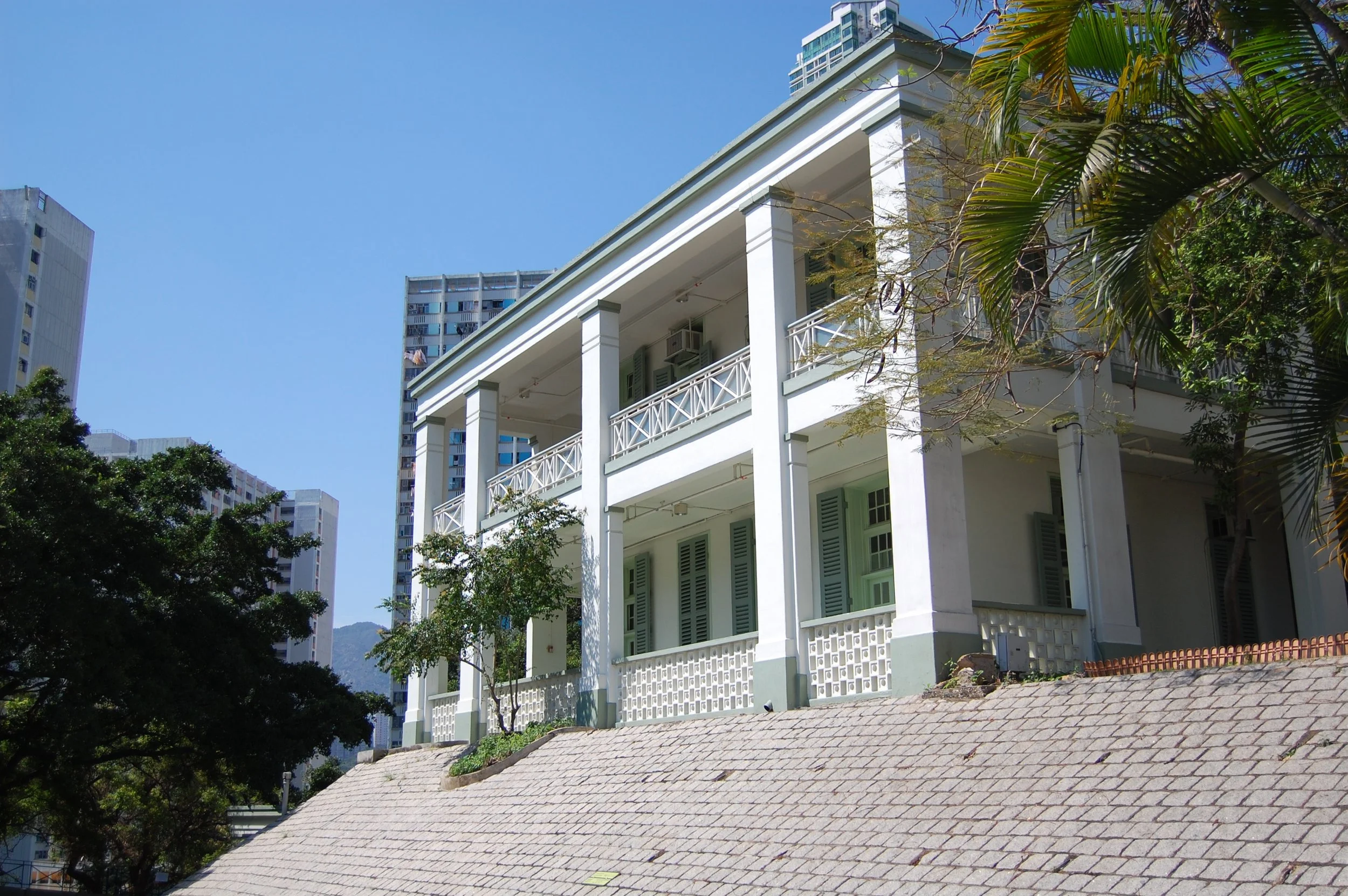
Built in the 1920s, the V54 is one of the few remaining pre-war private mansions. It is a threestory French architectural style house that adapted popular Art Deco in the last century. The main entrance features granite staircases. The garden fence is mainly made from plaster. The exterior shows imitations of stone carvings and arched doorframes and windows. The building has separate wooden staircases for the homeowner and servants (also known as the “maid staircase”), chimneys that pass through every floor, baroque floor tiles, and a backyard.
Originally designed as a symmetrical two-unit building, the mansion has undergone changes through time and ownership. Currently, only half of the building remains at 54 Village Road, becoming one of the well-preserved historical buildings in Happy Valley.
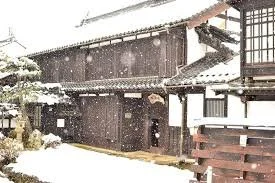
winter ⓒmoshouan
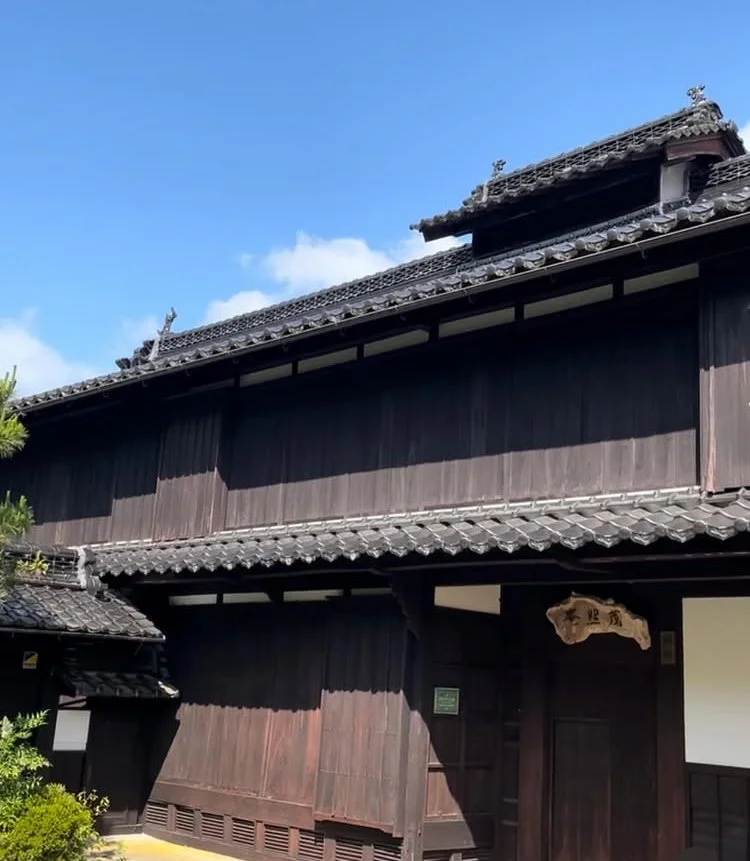
ⓒmoshouan

lacquer show room ⓒmoshouan

tradistional hot pot setting ⓒmoshouan
Region
About Happy Vally, Hong Kong Island
For over 1,300 years, the forests surrounding Yakuno in the Tamba region of Kyoto Prefecture have yielded one of Japan’s most esteemed lacquers: Tamba Urushi. Harvested from lacquer trees that are carefully cultivated for more than a decade before their first tapping, this material has long been celebrated for its remarkable clarity, luminous finish, and subtle aroma. Historically, Tamba Urushi was even used as a form of tax payment — a testament to its enduring cultural and economic significance.
The residency would collaborate with the local community such as tanbaurushi NPO and provide the at site experience for the artist and researcher to experience the harvesting as well as planting new Urushi trees to deeply involved and connect with this traditional craftsmanship and contribute to its sustainability.

Planting the Urushi tree ⓒNPO法人丹波漆

Planting the Urushi tree ⓒNPO法人丹波漆

Planting the Urushi tree ⓒNPO法人丹波漆

Lacquer scratching ⓒNPO法人丹波漆
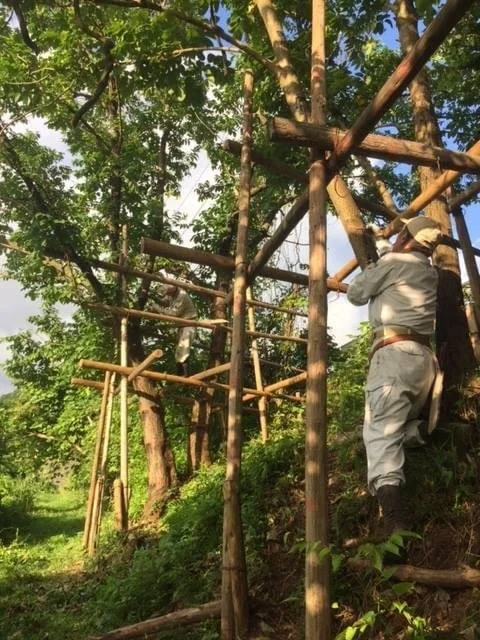
Lacquer scratching ⓒNPO法人丹波漆

Lacquer scratching ⓒNPO法人丹波漆
Hosting Institute
About AVA HKBU
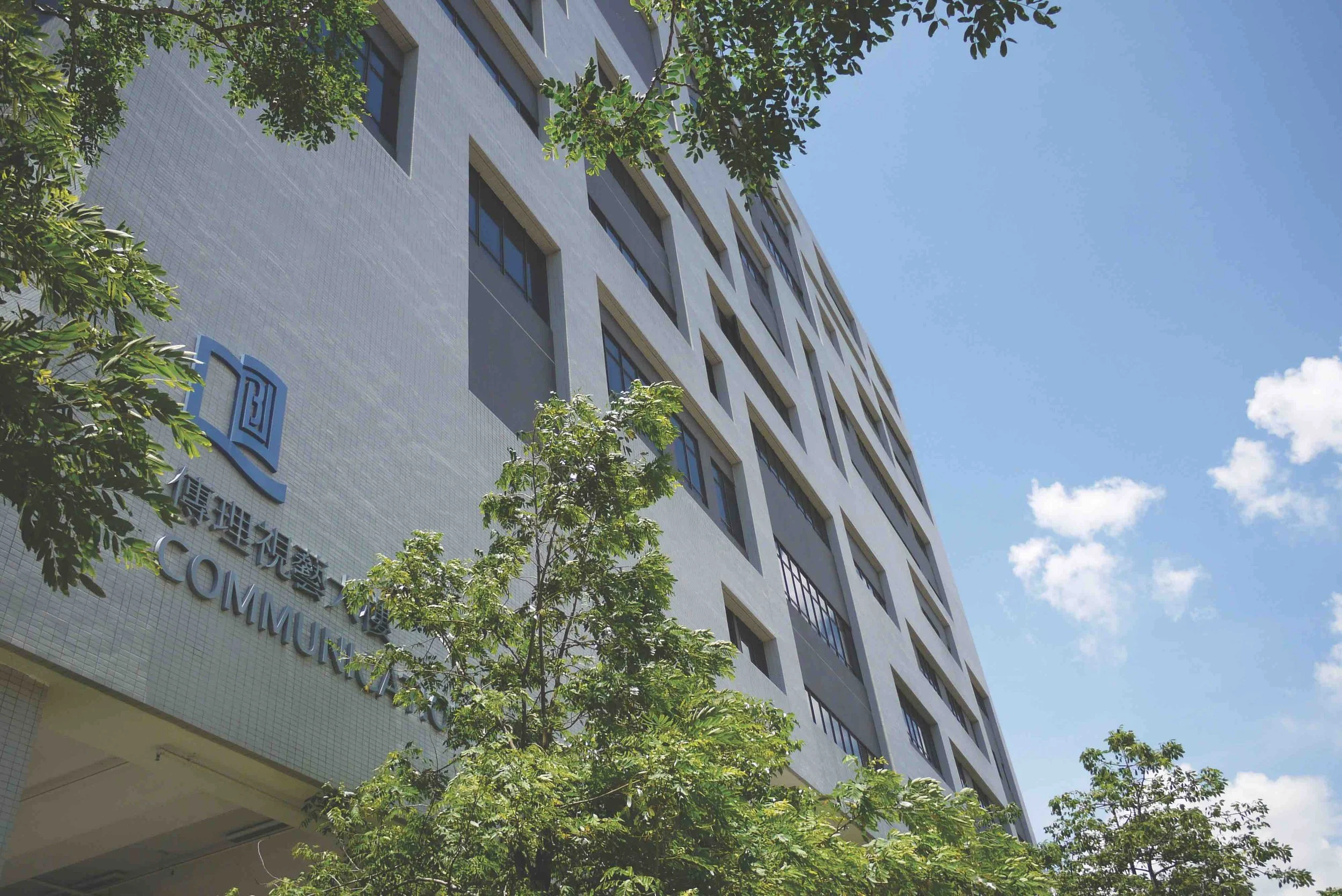
The Academy of Visual Arts (AVA) is the first university academy of its kind in Hong Kong, providing professional visual arts undergraduate, postgraduate and research degree programmes linked to international exchange and the vibrant creative industries in Hong Kong and in the global arena.
AVA is committed to nurturing creative and professional talent of international renown and strives to provide the very best in visual arts education, combining studio-based practice and research, critical and historical studies, and sustainable service for the cultural and creative sectors as well as for the community at large.
Program & Plan
Program & Plan
During this residency, practice and research are closely intertwined. We regard material practice as an essential component of the research process. The program is therefore conceived as a curated journey combining workshops, short trips within Japan, and field research—exploring not only the materiality of lacquer, but also its relationship to the spatial and cultural dimensions of the residential house and its surrounding region.
Aug, Sep, Oct
Moshouan, Kyoto, Japan
Weekly Lacquer technique workshop
Following the harvest season, the Lacquer Technique Workshop provided by the host artist invites participants to learn the fundamentals of working with lacquer — from understanding its natural properties to experiencing its transformation through touch, patience, and layering.
Aug, Sep, Oct
Moshouan, Kyoto, Japan
Research and material experiments
The residents would be participating in this journey and bringing back the reflections and the experiences from trips and workshops into their own professional practices while they returned to the Moshouan.
Mid Aug
Kanazawa, Japan
Delve into the Tradition of Lacquer I
Kanazawa, historically a castle town under the prosperous Maeda clan during the Edo period, has long been a cultural hub renowned for its traditional crafts—including lacquerware (urushi), gold leaf, and ceramics. The city flourished as a center where artisans and samurai culture coexisted, fostering refined aesthetics deeply rooted in daily life. As the home of Japanese traditional craftsmanship, Kanazawa preserves centuries-old techniques while continuing to inspire new interpretations of material and form.
This journey from Kanazawa marks an important step toward exploring the traditional legacy of lacquer, tracing its evolution from artisanal heritage to contemporary artistic expression.
Beginning Sep
Iwate prefecture, Japan
Delve into the Tradition of Laquer II
Iwate Prefecture, located in Japan’s Tōhoku region, is renowned for its rich natural landscapes and deep-rooted craft traditions. Among them, lacquerware—especially the historic Jōbōji-nuri from Ninohe—is one of Japan’s most revered. The region is home to some of the country’s last remaining natural lacquer forests, where urushi sap is sustainably harvested by hand. This practice, passed down for centuries, reflects a profound respect for nature and materials.
Through this trip, the residents would explore the Iwate’s lacquer culture embodies the harmony between human skill and the life of the trees, making it a living expression of Japanese aesthetics and ecological craftsmanship.
Mid Sep
Okinawa, Japan
Delve into the Tradition of Laquer III
Okinawa, once the independent Ryukyu Kingdom, has long been a cultural bridge between Japan and China—and its lacquer tradition reflects this position. While Japan’s oldest lacquer artifacts date back about 9,000 years and China’s about 7,000 years, Okinawa stands geographically and artistically between the two. The Ryukyu people adopted lacquer techniques from China and developed their own distinctive style, blending refined Chinese craftsmanship with Japanese sensibility and local aesthetics. In this trip, the residents would be able to explore Okinawa’s historical role as a crossroads of culture and artistry in East Asia.
Oct
Kyoto, Japan
Harvest of Lacquer
In October, participants will have the rare opportunity to engage directly with the traditional practice of lacquer harvesting. This activity offers an immersive experience in collecting sap from lacquer trees—an essential step in creating Japan’s esteemed lacquerware.
Through guided demonstrations and hands-on participation, residents will gain insight into the techniques, patience, and seasonal knowledge required to sustainably harvest lacquer. The activity highlights the deep connection between nature, craftsmanship, and cultural heritage.
Oct
Kyoto, Japan
The lacquer tree planting
By participating in lacquer tree planting activities, resident can engage directly with the natural sources of lacquer, fostering a deeper appreciation for the material's cultural and ecological significance. Such hands-on experiences bridge the gap between tradition and sustainability, highlighting the interconnectedness of nature, craftsmanship, and cultural identity.
This activity aligns with broader efforts to promote sustainable practices in traditional crafts.
Oct
Mosouan, Kyoto, Japan
Workshop offered by residents
The residents will offer a workshop for the local community in Fukuchiyama, integrating their individual artistic focus with the outcomes of their lacquer explorations during the residency. The workshop aims to share combined knowledge and experiences, while fostering an innovative and transcultural exchange with local practitioners.
Oct-by the end of the residency
Mosouan, Kyoto, Japan
Online Forum
The forum will serve as a platform for residents to share their research outcomes and reflections developed throughout the residency. Open to the public, it aims to bring together individuals with shared interests and curiosity toward the innovative possibilities of lacquer and Sukiya-zukuri architecture—explored through the lens of harmonizing human participation with nature.
Some schedule may be adjusted according to the each year’s harvesting and planting season